
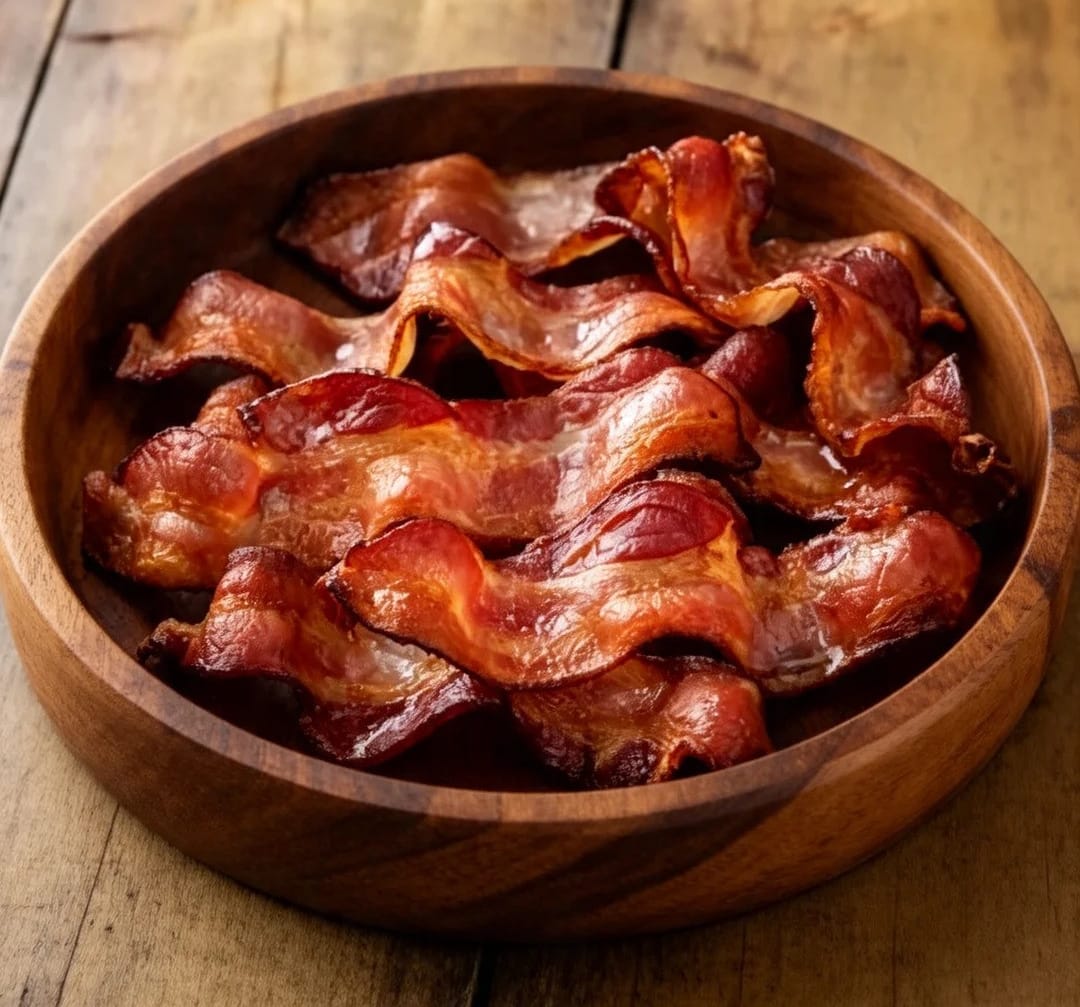
Bacon is popular for its salty flavor, smoky aroma and crispy texture. Most people prepare it quickly for breakfast, sandwiches, salads or toppings. But bacon still needs to be handled and cooked properly. Curing and smoking may improve flavor and shelf life, but that does not always mean bacon is safe to eat without cooking.
Undercooked bacon could contain harmful bacteria or parasites, especially if it has raw-looking meat, soft fat or a rubbery texture. Eating it can lead to food poisoning, or in rare cases, more serious illness. The risk is higher for pregnant women, older adults, young children and people with weakened immune systems.
Four basic habits are the foundation of food safety: clean hands and surfaces, separate raw meat from ready-to-eat foods, cook food to a safe temperature, and chill perishable food promptly. FoodSafety.gov also warns that bacteria grow fastest between 40°F and 140°F, so bacon should not sit at room temperature for long periods. (FoodSafety.gov)
Is Undercooked Bacon Safe to Eat?
No. Raw or undercooked bacon is not safe to eat unless the package says the bacon is fully cooked and ready to eat. Most bacon that is refrigerated needs to be cooked before you eat it.
Bacon is often thin and may look cooked around the edges but still be soft and undercooked in the middle. This is important because food may contain harmful germs that do not alter the smell, taste, or appearance of the food. A slice can look acceptable but still carry foodborne risks.
The safest approach is simple. Cook bacon until the meat turns brown, the fat renders, and no raw-looking or rubbery sections remain. For thick-cut bacon or larger pork pieces, a food thermometer gives a better safety check. FoodSafety.gov lists 145°F or 63°C with a 3-minute rest time for pork steaks, roasts, and chops, and 160°F or 71°C for ground pork. (FoodSafety.gov)
What Can Happen If You Eat Undercooked Bacon?
The most common problem is food poisoning. Symptoms depend on the germ involved. CDC lists diarrhea, stomach pain or cramps, nausea, vomiting, and fever as common food poisoning symptoms. Severe warning signs include bloody diarrhea, diarrhea lasting more than 3 days, fever over 102°F, repeated vomiting, and signs of dehydration. (CDC)
Undercooked bacon can also pose parasite risk because bacon comes from pork. CDC states that eating raw or undercooked meat contaminated with Trichinella worms can cause trichinellosis, and undercooked pork is one of the meats linked to that risk. Curing, drying, smoking, or microwaving meat alone does not consistently kill Trichinella. (CDC)
Main Health Risks Linked to Undercooked Bacon
1. Food poisoning
Food poisoning can occur when bacon contains harmful bacteria or toxins. Symptoms may appear within hours or several days, depending on the organism. Mild cases may cause stomach cramps, nausea, vomiting, and diarrhea. Severe cases may need medical care, especially when dehydration or bloody diarrhea occurs.
Raw meat can also contaminate cutting boards, plates, tongs, hands, or other foods. This is why bacon should stay separate from bread, vegetables, eggs, fruit, and other ready-to-eat items before cooking.
2. Salmonella infection
Salmonella can cause diarrhea, fever, stomach cramps, nausea, vomiting, headache, and loss of appetite. CDC states that symptoms usually start 6 hours to 6 days after infection and usually last 4 to 7 days. Some cases can spread outside the intestines and affect the blood, bones, joints, brain, or other internal organs. (CDC)
Most people recover, but medical attention becomes important when diarrhea or vomiting lasts more than 2 days, stool or urine contains blood, fever rises above 102°F, or signs of dehydration appear.
3. E. coli infection
Some strains of E. coli can cause severe stomach cramps, watery or bloody diarrhea, vomiting, and low fever. CDC notes that Shiga toxin-producing E. coli can trigger hemolytic uremic syndrome, a serious condition that can lead to kidney failure, permanent health problems, or death. (CDC)
This does not mean every case of undercooked bacon contains E. coli. It means contaminated meat or cross-contaminated surfaces can create risk. Safe cooking and careful handling reduce that risk.
4. Listeria infection
Listeria can contaminate some refrigerated and ready-to-eat meat products. CDC states that listeriosis is rare, but it can be especially harmful for pregnant people, newborns, adults aged 65 or older, and people with weakened immune systems. Other people can become infected, but they usually do not become seriously ill. (CDC)
This risk matters because bacon is stored cold, handled by hand, and often cooked near other breakfast foods. People in high-risk groups should be extra careful with storage, cooking, reheating, and cross-contamination.
5. Trichinellosis
Trichinellosis is a parasitic infection linked to raw or undercooked meat from infected animals. Pork is one of the meats associated with this risk. CDC recommends cooking meat to safe internal temperatures and using a food thermometer. It also warns that salting, drying, smoking, or microwaving meat alone does not reliably kill the worms. (CDC)
Symptoms may include stomach discomfort, diarrhea, nausea, fever, muscle pain, facial swelling, and fatigue. Anyone who feels ill after eating raw or undercooked pork should contact a healthcare provider.
6. Botulism, rare but serious
Botulism is often overstated in articles about undercooked bacon. Ordinary undercooked bacon is not the typical source. CDC describes botulism as a rare but serious illness caused by a toxin that attacks the body’s nerves and can cause difficulty breathing, muscle paralysis, and death. Foodborne botulism usually involves foods that were improperly canned, preserved, or fermented in low-oxygen conditions. (CDC)
For bacon, the bigger practical concerns are undercooking, poor refrigeration, unsafe storage, and cross-contamination. Botulism should be treated as a medical emergency, but it should not be presented as the most common bacon-related risk.
How to Tell If Bacon Is Undercooked
Visual cues can help, although they should not replace proper cooking. Bacon may be undercooked if it has:
- Pale pink or reddish meat
Raw-looking sections may indicate that heat has not fully reached the meat. - Soft, white, or translucent fat
Cooked bacon usually has rendered fat. If the fat still looks soft and waxy, the bacon may need more time. - A rubbery or floppy texture
Bacon does not need to be extremely crispy, but it should not feel raw, slippery, or rubbery. - Straight, limp edges
Bacon often curls as it cooks. A completely limp slice may still need more heat. - Uneven cooking
Thick ends, folded strips, or overlapping pieces can stay undercooked even when the edges look brown.
Color alone can mislead you. Some cured bacon stays pink even after cooking. Texture, fat rendering, browning, and safe cooking practices matter more than color alone.
How to Cook Bacon Safely
Pan-fried bacon
Place bacon strips in a cold pan or a preheated pan over medium heat. Cook slowly enough for the fat to render without burning the edges. Turn the strips with clean tongs and cook until the meat browns and the fat renders.
Avoid very high heat. High heat can burn the outside while leaving the center undercooked.
Oven-baked bacon
Arrange the strips in a single layer on a baking sheet. Bake at about 400°F until the bacon reaches your preferred texture and no raw-looking areas remain. Thin bacon often cooks faster, while thick-cut bacon needs more time.
Use a wire rack if you want more even rendering. Do not overlap the strips because overlapping can trap raw sections.
Microwave bacon
Place bacon between microwave-safe paper towels on a microwave-safe plate. Cook in short intervals and check the texture. Microwaves can heat unevenly, so inspect the full strip before eating.
CDC warns that microwaving meat alone does not consistently kill Trichinella, so thick or uneven pork products should not rely on microwaving as the only safety method. (CDC)
Safe Handling Tips Before and After Cooking
Handle bacon like raw meat until it is fully cooked.
Wash your hands after touching raw bacon. Use separate plates, knives, and tongs for raw and cooked bacon. Clean counters and cutting boards after contact with raw meat. Keep raw bacon away from bread, lettuce, fruit, cooked eggs, or other foods that will not receive further cooking.
FoodSafety.gov recommends separating raw meat, poultry, seafood, and eggs from ready-to-eat foods because raw foods can spread germs. It also recommends cooking food to the right temperature and using a food thermometer when needed. (FoodSafety.gov)
How to Store Bacon Properly
Bacon needs cold storage. Keep it in the refrigerator at 40°F or below. Store opened bacon in an airtight container, resealable bag, or tight wrapping to limit air exposure and prevent leaks.
FoodSafety.gov’s cold food storage chart lists bacon at 1 week in the refrigerator and 1 month in the freezer. It also explains that freezer storage times mainly refer to quality. Food kept continuously frozen at 0°F or below can remain safe indefinitely, but flavor and texture decline over time. (FoodSafety.gov)
A bacon-specific USDA FSIS storage table lists bacon at 7 days in the refrigerator and 4 months in the freezer. Because storage guidance can vary by product type and packaging, follow the package date first. After opening, use bacon quickly or freeze it in small portions. (Food Safety and Inspection Service)
Storage checklist
- Keep unopened bacon refrigerated until use.
- After opening, wrap it tightly or place it in an airtight container.
- Store raw bacon below ready-to-eat foods to avoid dripping.
- Label opened or frozen bacon with the date.
- Do not refreeze bacon that thawed at room temperature.
- When in doubt, throw it out.
How to Tell If Bacon Has Gone Bad
Do not taste bacon to check if it is spoiled. Use smell, texture, and color.
Spoiled bacon may have:
- A sour, rancid, or unpleasant smell
Fresh bacon should smell meaty and mildly smoky, not sharp or rotten. - A slimy or sticky surface
Sliminess can signal bacterial growth or spoilage. - Gray, brown, green, or blue discoloration
Some color variation can happen with curing, but green, blue, or gray patches are warning signs. - Mold
Discard bacon with visible mold. Do not cut away only the moldy part. - Severe freezer burn
Freezer burn is mainly a quality problem, but badly dried, frosty, or oxidized bacon may taste poor and should be discarded if quality looks unacceptable.
What to Do If You Ate Undercooked Bacon
Do not panic. One small bite does not guarantee illness. Monitor your symptoms for the next few hours to several days. Drink fluids if you develop mild diarrhea or vomiting.
Seek medical care if you experience bloody diarrhea, diarrhea lasting more than 3 days, fever over 102°F, repeated vomiting, dehydration, severe weakness, breathing difficulty, facial swelling, or signs of kidney problems such as little or no urination. CDC lists these symptoms as reasons to seek medical help for possible severe food poisoning. (CDC)
Pregnant people, older adults, young children, and people with weakened immune systems should contact a healthcare provider earlier because foodborne infections can become more serious in these groups.
FAQs About Undercooked Bacon
Can bacon be a little pink and still be safe?
Yes, cooked bacon can remain slightly pink because curing affects meat color. Focus on the full picture: browned meat, rendered fat, firm texture, and no raw-looking or rubbery sections.
Is bacon safe if it is chewy but not crispy?
Bacon does not need to be hard or brittle to be cooked. Some people prefer chewy bacon. It should still look cooked, with rendered fat and no raw-looking center.
Can I eat half-cooked bacon?
No. Half-cooked bacon may still contain harmful bacteria or parasites. Continue cooking until the slice is fully heated, browned, and no longer raw in the center.
Can I eat raw bacon?
No. Raw bacon can expose you to bacteria and parasites. Curing and smoking do not always make bacon ready to eat. Only eat bacon without further cooking if the package clearly states that it is fully cooked or ready to eat.
How long does bacon take to cook?
Cooking time depends on thickness and method. Pan-fried bacon often takes about 8 to 12 minutes over medium heat. Oven-baked bacon may take about 12 to 20 minutes at 400°F. Thick-cut bacon takes longer.
Is turkey bacon safer than pork bacon?
Not automatically. Turkey bacon is still a meat product and can still carry food safety risks if undercooked, mishandled, or stored improperly. Follow the package directions and cook it thoroughly.
Can reheating bacon make it safe?
Reheating can reduce risk if bacon was previously cooked and stored safely. FoodSafety.gov lists leftovers at 165°F or 74°C for reheating. Bacon that was left out too long, smells bad, feels slimy, or looks spoiled should be discarded, not reheated. (FoodSafety.gov)
Conclusion
Undercooked bacon is not worth the risk. It can expose you to foodborne bacteria, cross-contamination, and parasites linked to raw or undercooked pork. The most practical safety steps are clear: keep bacon cold, separate it from ready-to-eat foods, cook it thoroughly, store leftovers quickly, and discard bacon that smells bad, feels slimy, or looks discolored.
Bacon can still be enjoyed safely. The key is to treat it as raw meat until it is fully cooked, then store it properly after cooking.


 Shery
Shery