How Many Outlets on a 15 Amp Circuit?
In a typical home, there are numerous devices plugged into outlets at any given moment.
But how many outlets can a 15 amp circuit safely support?
Let’s explore the limitations and guidelines for the number of outlets on a 15 amp circuit to prevent overloading and ensure electrical safety.
Understanding Circuit Capacity and Electrical Overloads
To understand how many outlets can be safely installed on a 15 amp circuit, it’s essential to grasp the concept of circuit capacity and electrical overloads.
Circuit breakers play a vital role in preventing overloads and fires in our homes.
According to the National Electrical Code (NEC), the law mandates that a circuit should not exceed 80% of its capacity for more than three hours.
This rule ensures that circuits have a safety buffer to handle temporary power demands.
While there is no set limit on the number of outlets a 15 amp circuit can accommodate, the key consideration is not to exceed the circuit’s maximum capacity.
Each outlet typically uses 1.5 amps, meaning that theoretically, you could install eight outlets on a 15 amp circuit.
However, it’s crucial to avoid simultaneously using devices or appliances that draw a total of more than 15 amps to prevent overloading the circuit.
Factors That Determine the Number of Outlets on a 15 Amp Circuit
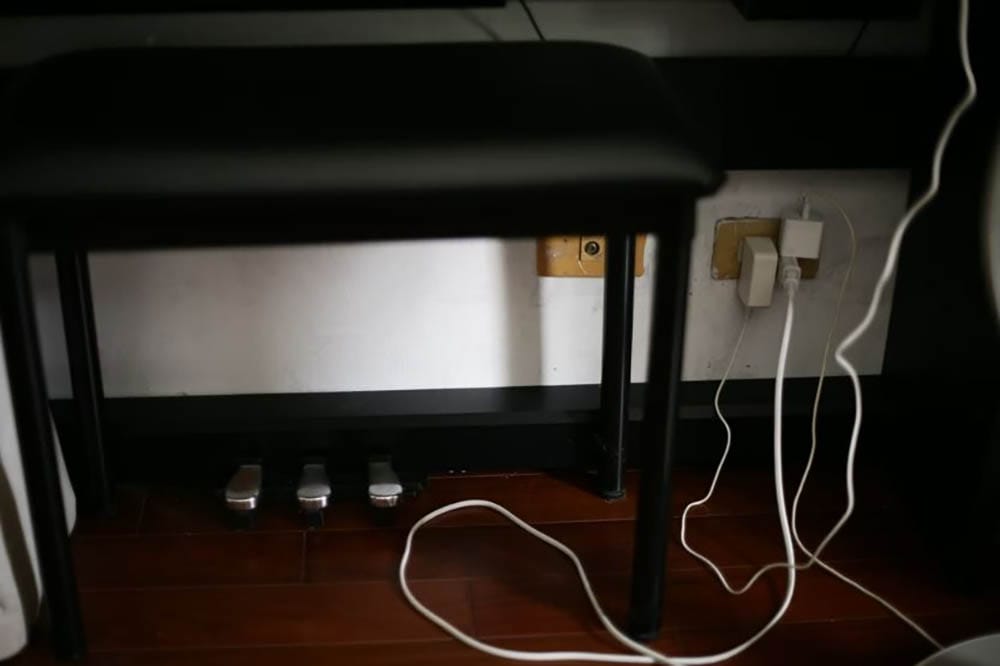
Several factors come into play when determining the number of outlets that can be safely installed on a 15 amp circuit:
1. Circuit Breaker Limitation
A 15 amp circuit breaker has a maximum limit of 15 amps. Exceeding this limit will cause the circuit breaker to trip and cut off power to prevent overloading.
It is important to consider this limitation when planning the number of outlets to install on a 15 amp circuit.
2. Electrical Load of Each Outlet
The suggested current rating for each outlet is 1.5 amps.
This means that if you divide the maximum circuit capacity of 15 amps by the current rating of each outlet, you can safely run up to eight outlets on a 15 amp circuit breaker.
3. Simultaneous Device Usage
While you can have any number of outlets on a 15 amp circuit, it’s crucial to avoid using them simultaneously if the total power demand exceeds 15 amps.
For example, plugging in a 10-amp oven toaster and a 10-amp flat iron simultaneously will cause the circuit breaker to overload and trip.
4. Upgrading to a 20-Amp Circuit
If you find that you need more outlets on a single circuit, upgrading to a 20 amp circuit is a viable solution.
A 20 amp circuit can safely support ten outlets, given that each outlet typically draws around 1.5 amps.
5. Specific Appliance Requirements
Certain appliances, such as refrigerators, have unique power requirements.
While it is possible to run a refrigerator on a 15 amp circuit, it is recommended to use a dedicated 20 amp, 120-volt circuit to maintain 80% of the maximum circuit capacity.
Preventing Overloading a 15 Amp Circuit Breaker
To prevent overloading a 15 amp circuit breaker, there are several measures you can take:
1. Use Different Circuit Breakers for Each Area of the Home
To distribute the electrical load evenly, it is advisable to use different circuit breakers for different parts of your home.
Depending on the projected load capacity, you may choose to use either a 15 or 20 amp circuit breaker with the recommended wire size for each room.
2. Upgrade to a 20-Amp Circuit When Necessary
If you anticipate a higher demand for outlets in a particular area, such as a kitchen with power-heavy appliances like refrigerators, upgrading to a 20 amp circuit is a wise choice.
This will allow you to install up to ten outlets on a single circuit, accommodating the increased power requirements.
3. Consider Ground-Fault Circuit Interrupter (GFCI) Outlets for Moisture-Prone Rooms
In moisture-prone rooms like bathrooms, kitchens, or laundry rooms, it is essential to install ground-fault circuit interrupter (GFCI) outlets to comply with national building codes.
These outlets have built-in safety features that quickly interrupt the circuit if moisture is detected, minimizing the risk of electrical shocks or fires.
4. Adhering to Code Requirements for Kitchen Outlets
When installing new kitchen outlets, additional code requirements may be necessary.
These requirements are based on the increased electrical draw and the potential for water exposure.
It is important to install outlets around the counter area, ensuring that the distance between each outlet does not exceed two feet (24 inches).
Additionally, kitchen outlets should be GFCI protected for enhanced safety.
5. Regular Inspections and Maintenance
To maintain electrical safety in your home, it is crucial to conduct regular inspections and maintenance.
Check for any signs of electrical overloads, such as flickering lights, sizzling sounds, discolored outlets, or slight shocks.
If you suspect an overloaded circuit, seek the assistance of a qualified electrician to ensure proper repairs and prevent potential hazards.
Adding a New Outlet to a Circuit

If you need to add a new outlet to an existing circuit, here are the steps to follow:
- Turn off the power: Before working on any electrical connections, turn off the power to the circuit you will be working on at the circuit breaker box. Verify that the power is off by using a nightlight or lamp in an existing outlet on the same circuit.
- Remove the existing wall outlet: Take off the cover plate and housing from an existing outlet on the same circuit. Disconnect the outlet from the wires and remove it from the wall. Knock out an additional hole in the outlet box to accommodate the new wire.
- Feed the new cable wire: Feed the new cable wire through the back hole of the existing outlet box. Ensure that you have enough wire to reach the location of the new outlet and an extra foot of cable for making connections. Use a 14-gauge wire for a 15-amp circuit.
- Connect the new cable wire: Connect the new cable to the existing outlet wires. Strip back around 10 inches of the new wire to ensure a solid connection. Connect the corresponding wires (white to white, black to black, and ground to ground) and secure the connections with plastic wire screws.
- Wire the new outlet: Cut a hole in the drywall for the new outlet box and fish the new wire through the wall. Connect the wires to the new outlet, ensuring that each wire is connected to the appropriate terminal. Ground the outlet properly.
- Reconnect and test: Once the connections are secure, reconnect the outlet screws and cover plates for both the new and existing outlets. Turn the power back on to the circuit and test the outlets to ensure proper functionality.
By following these steps, you can safely add a new outlet to an existing circuit, expanding the number of available outlets while maintaining electrical safety.
Conclusion
When it comes to determining how many outlets can be installed on a 15 amp circuit, there is no set limit.
However, it is crucial to adhere to the 80% capacity rule to prevent overloading and ensure electrical safety.
While it is theoretically possible to install up to eight outlets on a 15 amp circuit, it is important to consider the power demands of devices and appliances to avoid exceeding the circuit’s maximum capacity.
If you need additional outlets, consider upgrading to a 20 amp circuit or distributing the electrical load across different circuit breakers.
Additionally, always follow code requirements and consult a qualified electrician for any electrical work to ensure the safety and functionality of your home’s electrical system.
Remember, electrical safety should always be a top priority, and proper planning and installation of outlets will help prevent overloads and maintain a safe living environment.

 Shery
Shery