Different Types of Door Handles: A Comprehensive Guide
When it comes to choosing door handles, there are various styles and options to consider.
Door handles not only serve a functional purpose but also contribute to the overall aesthetics of a space.
In this comprehensive guide, we will explore the different types of door handles available in the market, their features, and the ideal applications for each type.
Different Types of Door Handles
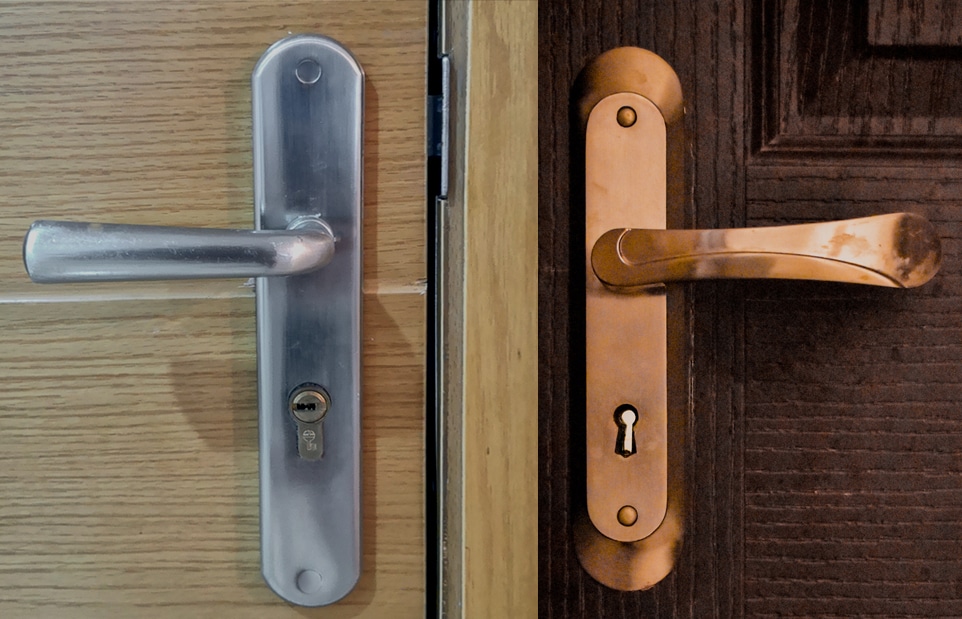
1. Lever Door Handle on Backplate
One of the most popular types of door handles is the lever door handle on a backplate.
This classic design is commonly seen on various doors and is available in different colors and finishes, including brass, bronze, and black.
The lever door handle on a backplate is an excellent choice for doors that require locking, as it features a keyhole cutout, making it suitable for backdoors and other secure entrances.
Lever door handles on backplates are frequently used on internal doors that do not need to be locked.
They are similar to lever door handles on backplates, but without a keyhole.
For doors that require locking, lever locks can be used in conjunction with sash locks, featuring a keyhole on the backplate.
In bathrooms, lever door handle sets often include a turn and release feature integrated into the backplate, allowing for easy locking and unlocking.
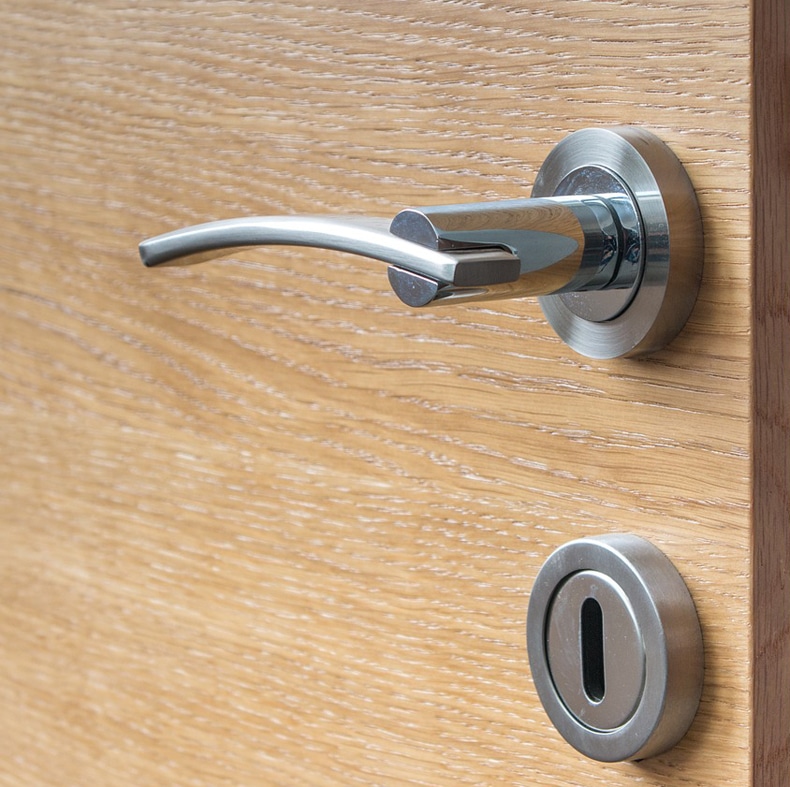
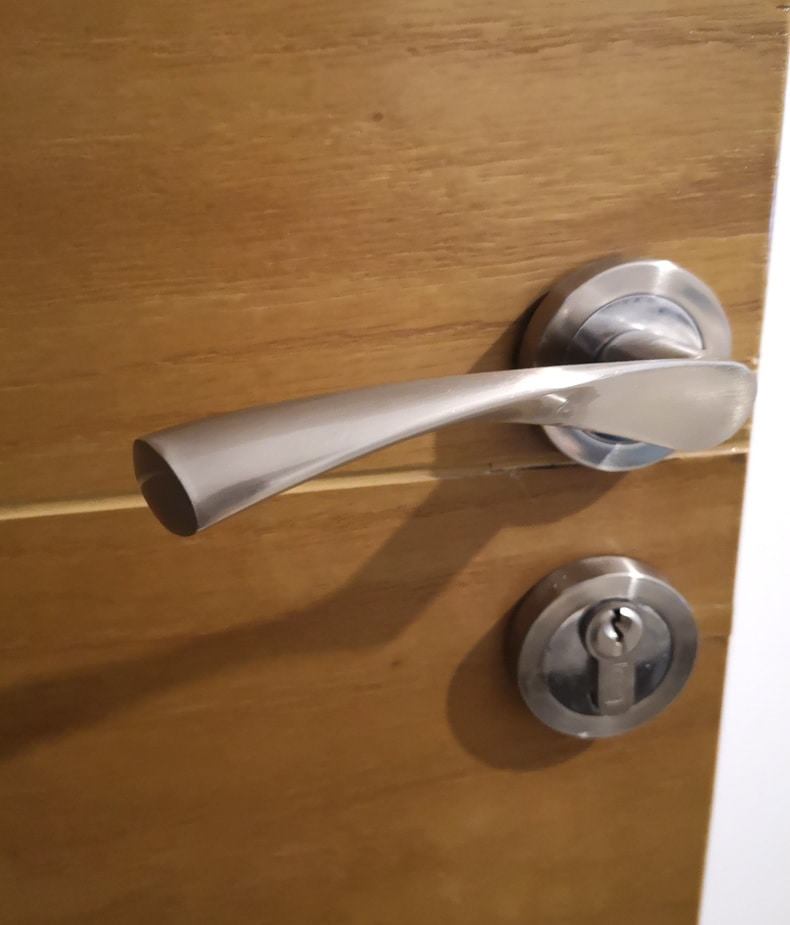
2. Lever Door Handle on Rose
Another popular type of door handle is the lever door handle on a rose.
These handles are aesthetically pleasing and are commonly found on interior doors, such as closets.
Lever door handles on roses are available in round or square shapes and offer a simple lever mechanism for opening and closing doors.
Compared to lever door handles on backplates, lever door handles on roses have several advantages.
The rose cover conceals the screws and handle fittings, providing a sleek and flush finish.
This makes them ideal for contemporary and minimalist interior designs.
Lever door handles on roses can be combined with locks, latches, or thumb turns, depending on the specific requirements of the space.
3. Bolt Through Pull Handles
Bolt through pull handles are a type of door handle that requires a bolt to be passed through the door during installation.
A nut is then used to secure the bolt from the other side.
These handles are commonly used as bi-directional interior door handles, offering both functionality and aesthetic appeal.
If you are looking for a door handle that prioritizes safety while enhancing the overall appearance of the door, bolt-through pull handles are an excellent choice.
They are suitable for both residential and commercial settings.
The bolt-through system provides the strength and stability required for doors that experience regular and heavy use, making them particularly well-suited for busy public buildings like schools.
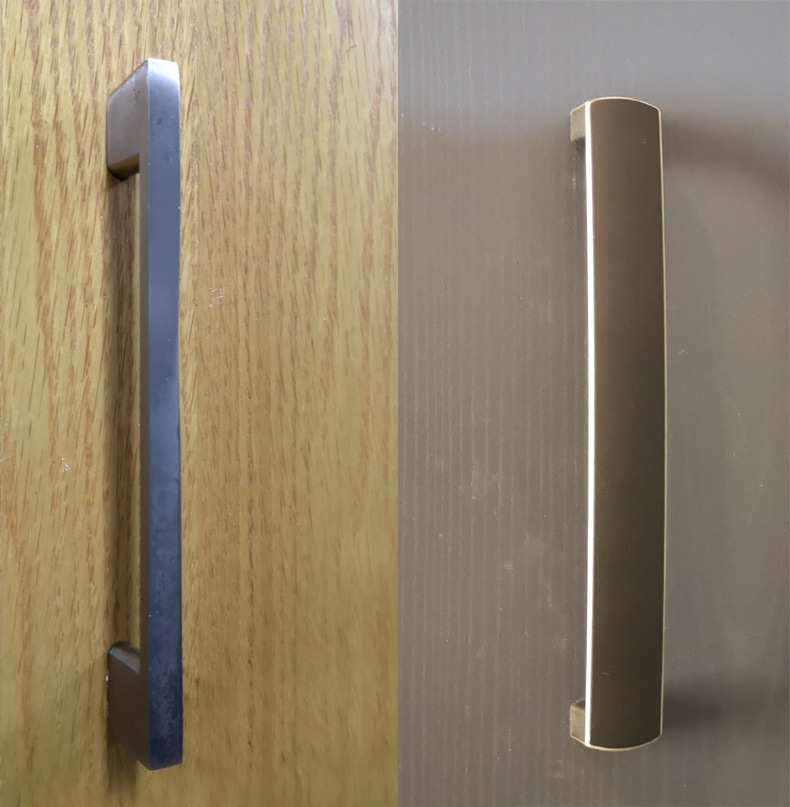
4. Face Fixed Pull Handles
Face fixed pull handles are another type of door handle that offers a unique D-shaped design, allowing for a comfortable grip when opening the door.
These handles are attached to the door using screw fixings on either side.
They are an excellent choice when you need a handle that enables pulling or pushing of doors without a lock, without the need to drill holes through the door.
Face fixed pull handles eliminate the need to account for the thickness of the door, offering flexibility in installation.
They are suitable for various applications, whether you need handles for emergency exits or simply want to add a touch of elegance to your home.
These handles are typically used on doors that do not require internal locking or securing devices, eliminating the need for latch strikes and latches.

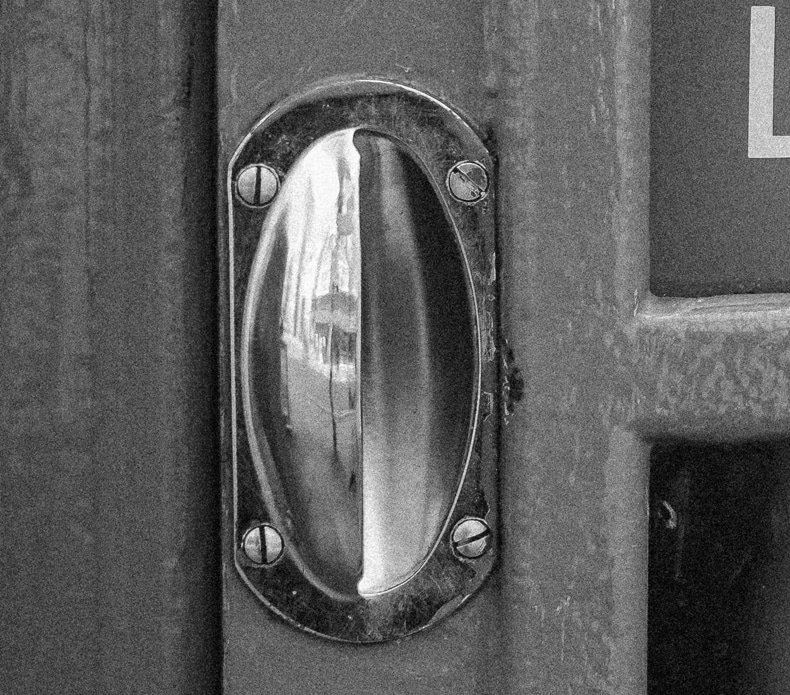
5. Flush Pull Handles
Flush pull handles are a popular choice for doors and drawers where a concealed and non-protruding handle is desired.
These handles are often used on sliding doors, cupboard doors, and drawer fronts.
They provide a visually appealing and tidy look, as they do not protrude from the surface of the door.
There are various reasons to choose flush pull handles. In some cases, they are used to prevent handles from obstructing the movement of sliding doors.
Flush pulls allow doors to move past each other smoothly without any obstructions.
Additionally, flush pull handles offer a secure grip, especially when they feature a circular concave design with recesses for the fingers.
They are particularly suitable for larger drawers, serving as an excellent alternative to traditional protruding handles.
6. Dummy or Non-Turning Handles
Dummy or non-turning handles are fixed knobs or levers that do not have axles, latches, or locks.
These handles are purely decorative and are used to open and shut doors without conventional latches.
They are commonly found on inactive doors and are available in various designs, including knobs and levers.
While dummy handles may seem unnecessary, they serve a purpose in certain scenarios.
For example, French doors typically have one door latching onto another.
The door that latches usually has a standard handle, while the one it latches into features a dummy or non-turning handle.
This ensures a balanced and cohesive look for both doors.
7. Are Door Handles Better Than Door Knobs?
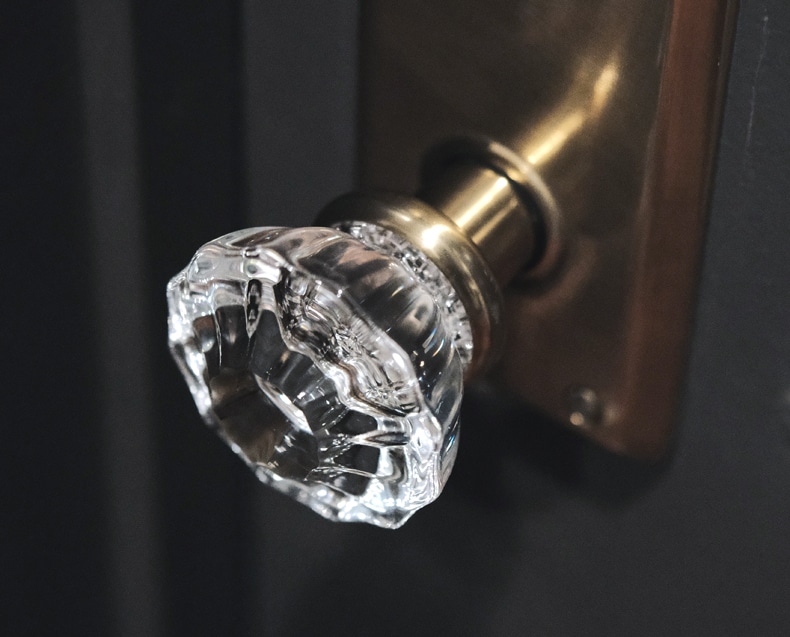
Many people wonder whether door handles are better than door knobs.
The preference between the two often depends on individual needs and preferences.
Door knobs are typically favored by those who prefer a better grip.
However, some individuals find themselves catching their arm on door handles and may prefer knobs for their sleek appearance.
Door knobs are often preferred in rooms filled with valuables or in households with kids or pets that need to be kept under certain restraints.
Knobs are easier to childproof and can be more convenient for individuals with certain impairments.
On the other hand, door handles, especially lever handles, are more suitable for elderly individuals or those with disabilities, as they offer a more ergonomic and accessible design.
Which Kind of Door Handle Is the Best?
With so many different types of door handles available, it can be challenging to determine which one is the best.
The ideal door handle will depend on several factors, including the specific application, desired finish or material, the overall design of the house, and the individuals residing in the space.
When choosing a door handle, consider where it will be used. For example, lever door handles on backplates are suitable for doors that require locking, making them ideal for backdoors or other secure entrances.
Lever door handles on roses offer a sleek and minimalist look, making them perfect for contemporary interior designs.
Additionally, consider the material or finish of the door handle. Whether you prefer a traditional brass finish or a more modern black or chrome finish, there are options to suit every style.
The design of your house should also be taken into account, ensuring that the chosen door handle complements the overall aesthetic.
Conclusion
Choosing the right door handle is an important decision when it comes to both functionality and aesthetics.
With various types of door handles available, including lever handles, pull handles, and door knobs, there is a style to suit every preference and application.
Lever door handles on backplates and roses offer classic and elegant options, while bolt-through pull handles provide durability and security.
Face fixed pull handles and flush pull handles offer sleek and minimalist designs, while dummy or non-turning handles add a decorative touch.
By considering the specific requirements of your space, you can select the perfect door handle to enhance the overall look and functionality of your doors.


 Shery
Shery