Can You Plug a Surge Protector Into a Surge Protector?
In the age of technology, it’s not uncommon to have multiple electrical gadgets connected to a single power strip.
With the increasing need for power outlets, many people wonder if it’s possible to plug a surge protector into another surge protector.
This article will explore the risks and dangers associated with this practice, as well as provide alternative solutions to protect your devices.
Understanding Surge Protectors
Before diving into the topic, it’s essential to understand what surge protectors are and how they function.
Surge protectors are devices designed to reduce power surges caused by lightning strikes, electrical storms, and other similar events.
These surges can potentially damage electronic devices connected to the wall outlet.
Surge protectors come with different ratings that indicate their capacity to withstand power surges. Higher-rated surge protectors offer better protection against these surges.
When choosing a surge protector, it’s crucial to check its voltage rating to ensure it meets your requirements.
The Risks of Plugging a Surge Protector Into Another Surge Protector
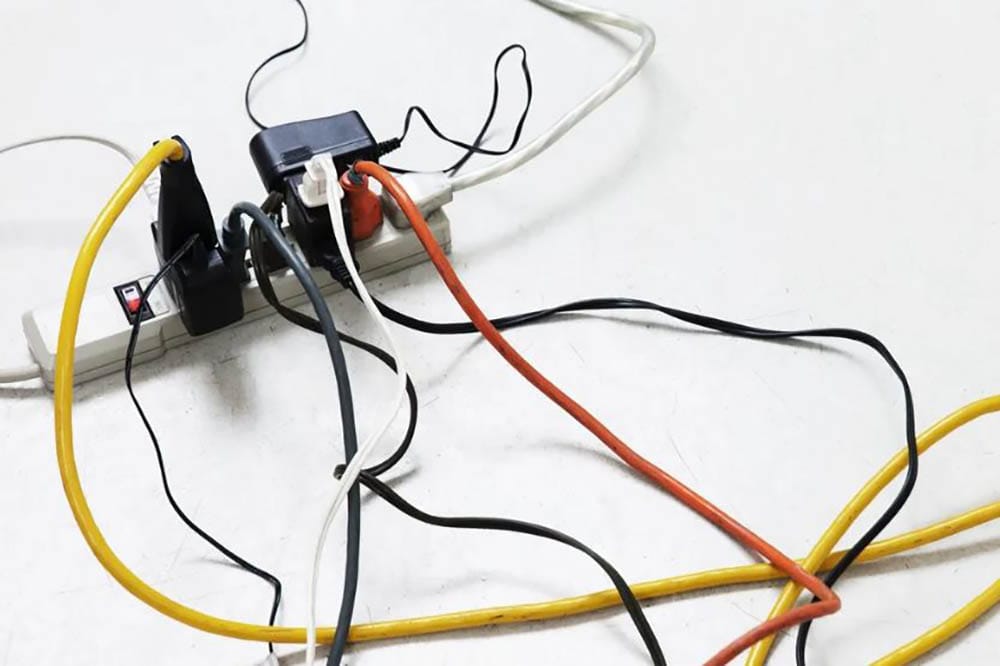
Plugging one surge protector into another can pose significant risks to your electrical devices and appliances.
Surge protectors, like any other electrical devices, have a maximum load they can handle.
By plugging one surge protector into another, you run the risk of exceeding this load, which can lead to damage to the devices connected at the end of the chain.
Additionally, keeping surge protectors close to the outlet is important to prevent accidents.
Plugging one surge protector into another can create a messy chain of connections that increases the chances of tripping over the cords or accidentally unplugging them.
Safe Alternatives
Instead of plugging a surge protector into another surge protector, there are safer alternatives to ensure the protection of your devices.
One option is to plug a standard power strip into the wall outlet and then connect the surge protectors to the power strip.
This way, you can avoid overloading the surge protectors and keep the cords organized.
It’s worth noting that some surge protectors come with built-in power strips, providing an all-in-one solution for convenience and protection.
These surge protectors with built-in power strips can be directly connected to the wall outlet, eliminating the need for additional power strips.
Choosing the Right Surge Protector
When selecting a surge protector, it’s essential to consider your specific needs and the devices you’ll be connecting to it.
Different types of surge protectors are available for various applications. The most common surge protectors have a minimum joule rating of 200 to 400 joules.
If you have delicate devices such as computers, laptops, or high-end AVR systems, it’s recommended to use a surge protector with a minimum of 1,000 joules.
For maximum protection, opt for a surge protector rated at least 2,000 joules or more.
The Lifespan of Surge Protectors
It’s important to note that surge protectors have a limited service life. Over time, their effectiveness may diminish, and they may no longer provide adequate protection.
Some surge protectors come with LED lights that indicate whether they are still functioning correctly. If the LED light on your surge protector goes dim or stops working, it’s a sign that you should replace it.
Additionally, surge protectors may come with warranties or connected equipment guarantees.
It’s advisable to check the manufacturer’s recommendations regarding the lifespan of the surge protector and when it should be replaced.
Proper Usage of Surge Protectors
To ensure the safety and effectiveness of your surge protectors, it’s important to follow some best practices:
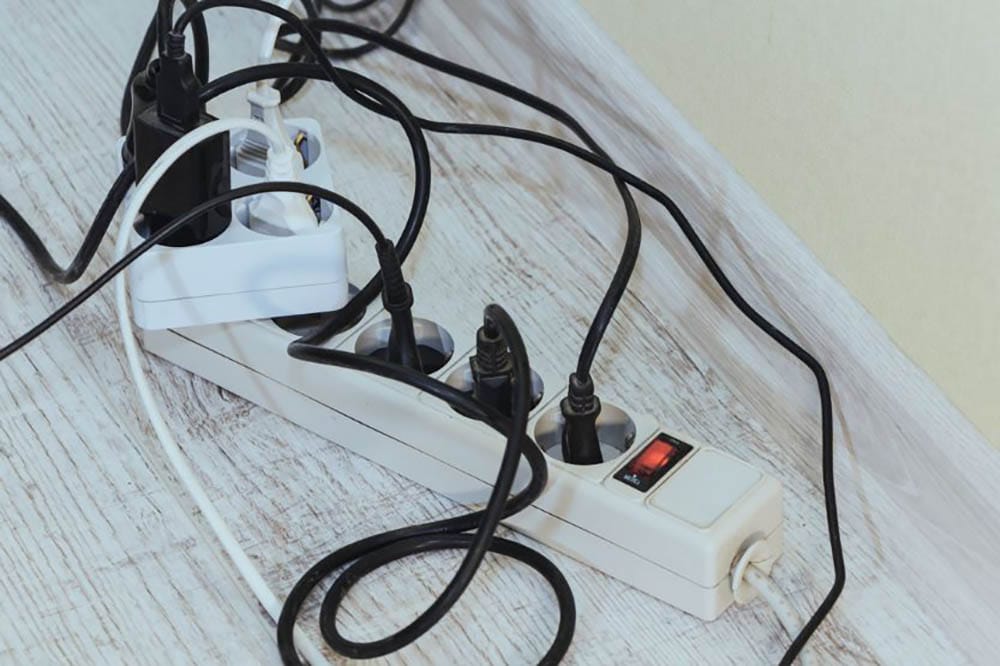
- Do not daisy-chain surge protectors: Plugging surge protectors into one another, also known as daisy-chaining, is highly discouraged. This can overload the power strip, outlet, or electrical circuit, increasing the risk of electrical fires.
- Avoid overloading surge protectors: Make sure the total electricity demand of the devices connected to a surge protector is within its capacity or rating. Surge protectors are often classified with wattage ratings, so pay attention to these specifications.
- Use surge protectors for appropriate devices: Surge protectors are not suitable for all electrical devices. Avoid using surge protectors for devices such as microwave ovens and electric heaters, as they may exceed the surge protector’s capacity.
- Read the instructions: Familiarize yourself with the surge protector’s user manual to understand its specific usage guidelines and any additional safety precautions.
Frequently Asked Questions
Can I plug a surge protector into another surge protector?
No, it is not recommended to plug one surge protector into another. This practice can lead to overloading the surge protectors, increasing the risk of electrical fires and damaging the devices connected to them.
Can I plug a power strip into a surge protector?
Yes, it is safe to plug a power strip into a surge protector. However, daisy-chaining power strips into a surge protector is not advisable, as it may overload the surge protector.
Why can’t I plug a surge protector into another surge protector?
Plugging a surge protector into another surge protector can damage the electrical devices or appliances connected at the end of the chain.
It is safer to use a standard power strip connected to the wall outlet and then plug the surge protectors into it.
How can I know if my surge protector needs to be replaced?
If your surge protector has an LED light that is no longer functioning or has gone dim, it is a sign that the surge protector needs to be replaced. LED lights on surge protectors indicate their operational status.
What is the difference between a surge protector and a power strip?
While surge protectors and power strips may look similar, their functions are different. Power strips provide multiple outlets for connecting devices and offer a continuous flow of electricity.
On the other hand, surge protectors are designed to protect devices from power surges and spikes.
Conclusion
In conclusion, it is not safe to plug a surge protector into another surge protector. This practice can lead to overloading, increase the risk of electrical fires, and potentially damage the devices connected to them.
Instead, it is recommended to use a standard power strip connected to the wall outlet and connect surge protectors to it. Following proper usage guidelines and choosing the right surge protector can help ensure the safety and protection of your electrical devices.


 Shery
Shery