
What Is Rubberwood? A Comprehensive Guide to Rubberwood and Its Uses
Rubberwood is a type of wood that is often misunderstood due to its name. Contrary to popular belief, rubberwood is not soft or rubbery.
In fact, it is a member of the maple tree family and is classified as a hardwood. Its name comes from the fact that it is sourced from rubber trees, which produce latex.
The latex is used to make various rubber products, while the wood is harvested and transformed into lumber for furniture making.
The Origins of Rubberwood
Rubberwood, also known as Hevea wood, parawood, Malaysian oak, or Asian hardwood, is sourced from rubber trees native to Brazil.
However, most rubber tree plantations are now found in Southeast Asia.
These trees are initially grown for their latex, which is extracted from them for approximately 25 to 30 years.
Once the latex production declines, the trees are harvested and turned into lumber.
Characteristics of Rubberwood
Rubberwood has several unique characteristics that make it suitable for furniture making. It is a durable wood that is flexible, strong, and resistant to mold, bacteria, and fungi.
The grain of rubberwood is coarse and dense, giving it a distinctive appearance.
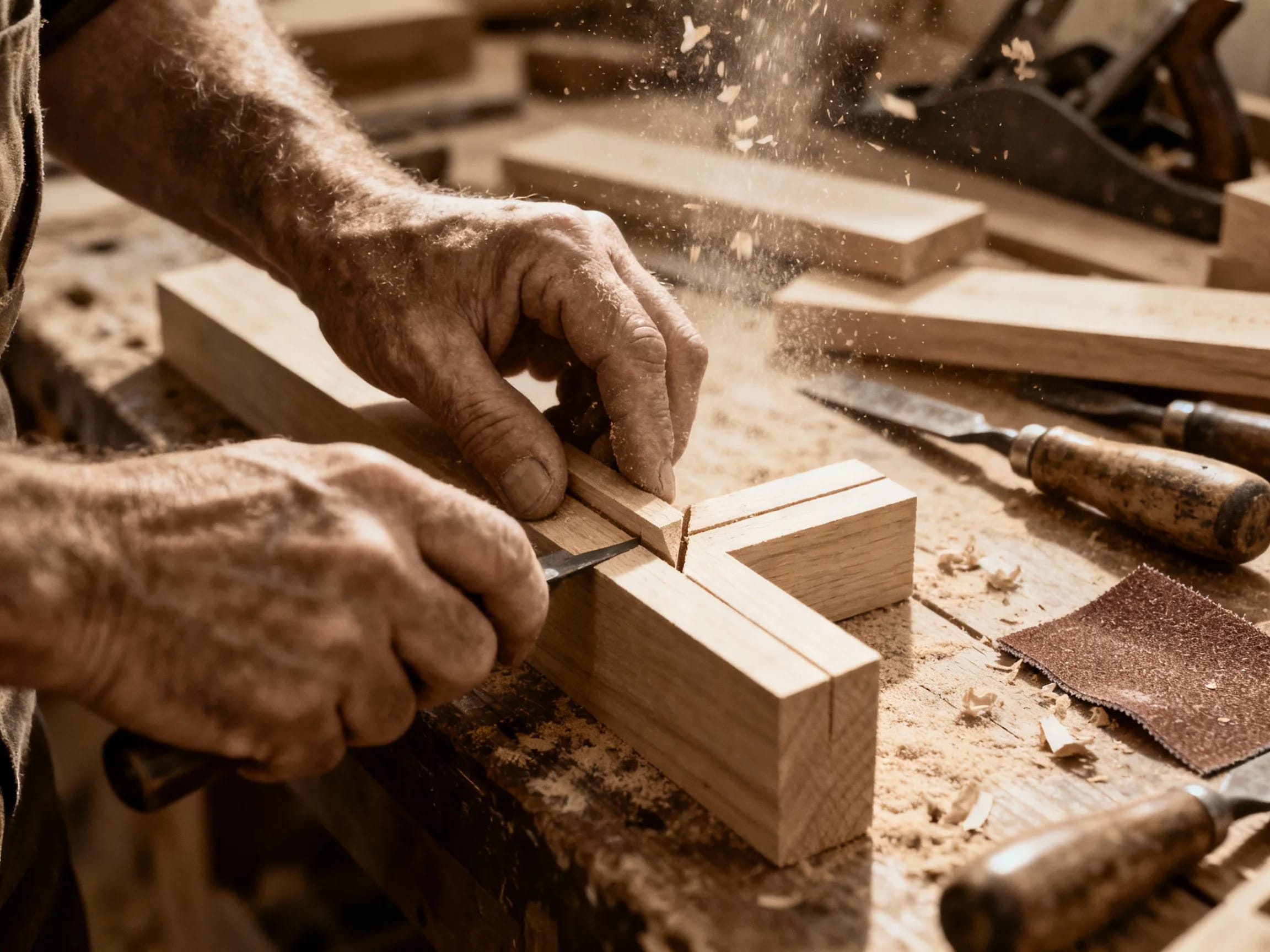
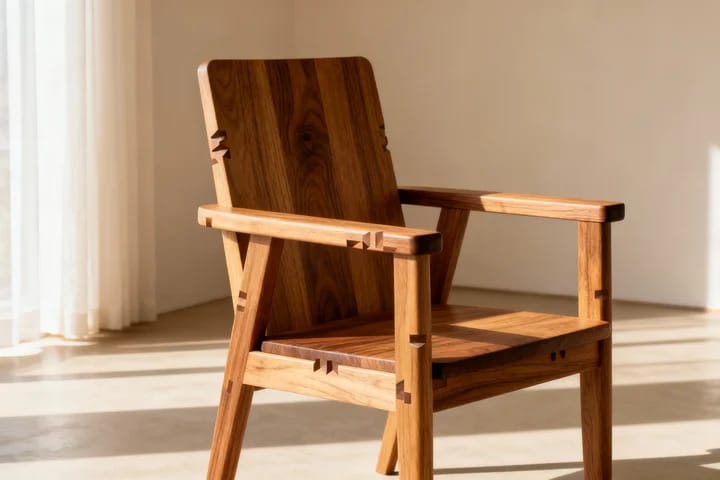
While it is commonly used in industrial furniture, it can also be used to create beautiful pieces, depending on the construction and fastening methods used.
Recognizing Rubberwood
Rubberwood has a natural color ranging from light blonde to medium tan. However, after being kiln-dried, it tends to turn into medium brown streaks or even darker shades.
Some pieces may even have pinkish tints. The wood grain of rubberwood appears coarse due to its vertical vessels.
It has a texture that is usually open, and its grains are often straight. While it shares similarities with maple, rubberwood is more porous and slightly softer.
Benefits and Versatility of Rubberwood
Rubberwood offers several benefits that contribute to its popularity in furniture making.
First, it is an eco-friendly option as it is sourced from trees that have completed their latex-producing years.
This makes it a sustainable resource. Additionally, rubberwood is a cost-effective alternative to more expensive types of wood, such as oak or mahogany.
The versatility of rubberwood extends beyond furniture making. It is also used in the production of veneer, medium-density fiberboard, and particleboard.
Its applications range from framing and printing to joinery and molding.
Rubberwood’s resistance to fire, fungi, and weather also makes it suitable for cement boards used in the construction industry.
Advantages of Using Rubberwood for Furniture Making
There are numerous advantages to using rubberwood as a raw material for furniture making. Firstly, it is easy to work with, whether using manual or power tools.
Rubberwood can be cut, bored, glued, nailed, and turned with ease. It also accepts stains, finishes, and paint well.
Rubberwood is a cost-effective option compared to other traditional wood materials. It is more affordable and offers good value for money.
Furthermore, rubber trees are grown on farms, making rubberwood an environmentally friendly choice. The wood is naturally resistant to fire and non-toxic, making it a safe option for furniture.
The natural appearance of rubberwood is simple yet refined, with its coarse grains adding character to the furniture.
It is strong and durable, with minimal shrinkage, making it suitable for long-lasting pieces. While it may not be as high-end as fine furniture, rubberwood provides stability and longevity.
Care and Maintenance of Rubberwood Furniture
Proper care and maintenance are essential to prolonging the lifespan of rubberwood furniture.
Surfaces should be cleaned using a basic solution of soap and water, taking care not to use excessive water that can seep into the wood grains.
It is advisable to dry the surface with a clean cloth afterward.
To maintain the shine of rubberwood furniture, applying furniture wax can be beneficial.
However, it is important to regularly wipe the furniture to prevent dust and dirt from accumulating.
With proper care, rubberwood furniture can retain its beauty and durability for many years.
Rubberwood Furniture: Indoor Use Only
Rubberwood furniture is primarily designed for indoor use. While rubberwood has inherent protective qualities, it is not resistant to moisture.
Therefore, using rubberwood furniture outdoors can expose it to fungal and bacterial attacks, as well as potential warping and deformation caused by moisture.
To ensure the longevity of rubberwood furniture, it is best to keep it indoors.
Little-Known Facts About Rubberwood
- Natural Habitat: Rubber trees are native to South America, Africa, and Asia. These tall trees can reach heights of up to 40 meters and live for around 100 years.
- Eco-Friendly Material: Rubberwood is considered one of the most eco-friendly raw materials in the world. It is only used for furniture making after the rubber tree has completed its latex-producing phase.
- Versatility: Rubberwood has various applications beyond furniture making. It is used for veneer, medium-density fiberboard, particleboard, and industrial furniture.
- Contribution to the Modern World: Rubberwood plays a vital role in the production of modern products and conveniences. The latex from rubber trees is used in the manufacturing of rubber bands, tires, and many other ubiquitous materials.
Conclusion
Rubberwood, despite its name, is a hardwood that offers many advantages for furniture making. It is durable, flexible, and resistant to mold and bacteria.
With its unique grain and affordable price point, rubberwood has become a popular choice for industrial and affordable furniture.
Proper care and maintenance can ensure the longevity of rubberwood furniture, making it a worthwhile investment.


 Shery
Shery


