Types of Wood for Furniture: A Comprehensive Guide
When it comes to buying wood furniture, understanding the different types of wood is crucial.
The choice of wood can significantly impact the appearance, durability, and overall quality of the furniture piece.
In this comprehensive guide, we will explore the various types of wood used in furniture making, including hardwood, softwood, and engineered wood.
From the best-looking and most durable options to more affordable alternatives, we’ll cover everything you need to know before making your furniture purchase.
1. Hardwoods: The Epitome of Beauty and Durability

Hardwoods are widely regarded as the top choice for furniture making due to their exceptional beauty and durability.
These woods come from deciduous trees, which generally grow at a slower pace, resulting in a denser and harder structure.
Let’s take a closer look at some of the best hardwoods used in furniture making:
Beech: A Combination of Strength and Elegance
Beech wood is known for its hardness, heaviness, and overall strength. It features small pores and conspicuous medullary rays, giving it a clean and smooth surface.
Beech is commonly used for making frames and bent parts of wood structures.
With proper care and maintenance, furniture made of beech can maintain its good looks for many years.
Oak: The Timeless Classic
Oak is a popular choice among DIY enthusiasts and furniture makers alike.
It boasts a unique look and eye-catching wavy grain, making it ideal for mission-style furniture and arts and crafts.
Applying a clear finish to oak furniture enhances the beauty of its grains. However, excessive staining can result in a two-toned finish.
Hickory: The Hardwood Powerhouse
Considered one of the hardest and heaviest hardwoods, hickory is a go-to choice for builders requiring thin but strong structural parts.
It is also commonly used as a decorative veneer. Hickory’s strength and durability make it a reliable option for furniture making.
White Ash: Combining Beauty and Workability
White ash, cultivated in the Eastern United States, is a heavy and hard hardwood with straight grains. It is often used for steam-bent furniture and structural frames. Ash responds well to glues, stains, and steam bending, making it suitable for both machine and hand-made furniture.
Birch: Strength and Elegance Combined
Birch, particularly yellow birch, is a commercially important hardwood known for its strength and durability. It features close grains and comes in reddish or light brown heartwood with light or cream-colored sapwood. Solid hardwood birch furniture exudes elegance and style.
Redwood: Beauty in Heartwood
Redwood furniture, particularly the heartwood part, is highly resistant to insects and moisture, making it a durable choice. Its basic color is red, and furniture with burls (clusters of eyes) can be quite valuable due to their rarity.
Mahogany: Beauty Without Breaking the Bank
Mahogany offers a beautiful range of colors, from reddish-brown to deep red. It has a medium texture and straight grain, making it an attractive choice for furniture making. With the application of oil, mahogany furniture can achieve an astonishing finish.
Walnut: A Touch of Sophistication
Walnut, known for its straight grains, ranges in color from yellow to brown. It is easy to work with and often used for inlays and accents in furniture pieces. However, the availability of walnut is decreasing, making it a more limited option.
2. Softwoods: A Blend of Beauty and Distinctive Qualities

Softwoods, derived from evergreen or coniferous trees, offer their own unique qualities in furniture making. While they may not match the durability of hardwoods, softwoods are still desirable for their beauty and affordability. Let’s explore some of the commonly used softwoods:
Pine: Rustic Charm at an Affordable Price
Pine, a lightweight wood, is known for its rustic charm. It can be whitish with brown knots or yellowish in color. Pine furniture lends a cozy and rustic ambiance to any room, and its affordability makes it a popular choice.
Fir: Ideal for Outdoor Furniture
Firwood is an excellent option for outdoor furniture due to its resistance to moisture and the environment. It is often used in the construction of ottomans, picnic tables, and outdoor chairs. Thanks to its durability, fir retains its shape and size even after years of use.
Spruce: Lightweight and Bright
Spruce wood, lightweight and typically bright in color, adds a touch of elegance to furniture pieces. Although not weather-resistant, spruce is strong and has a good load-bearing capacity, making it suitable for construction timber.
Bamboo: Eco-Friendly and Stylish
Bamboo, classified as grass rather than wood, has gained popularity in furniture making due to its eco-friendly properties and attractive blonde color. It offers similar characteristics to other softwoods used in furniture construction. Bamboo’s tensile strength surpasses that of standard construction-grade natural wood, making it an excellent choice for environmentally conscious furniture buyers.
3. Engineered Wood: Affordability and Workability

Engineered wood, also known as manufactured wood, provides an affordable and workable alternative to solid wood furniture.
These human-made woods are produced by combining and processing different wood materials into boards.
Let’s take a closer look at the two common types of engineered wood:
Plywood: The Oldest Manufactured Wood
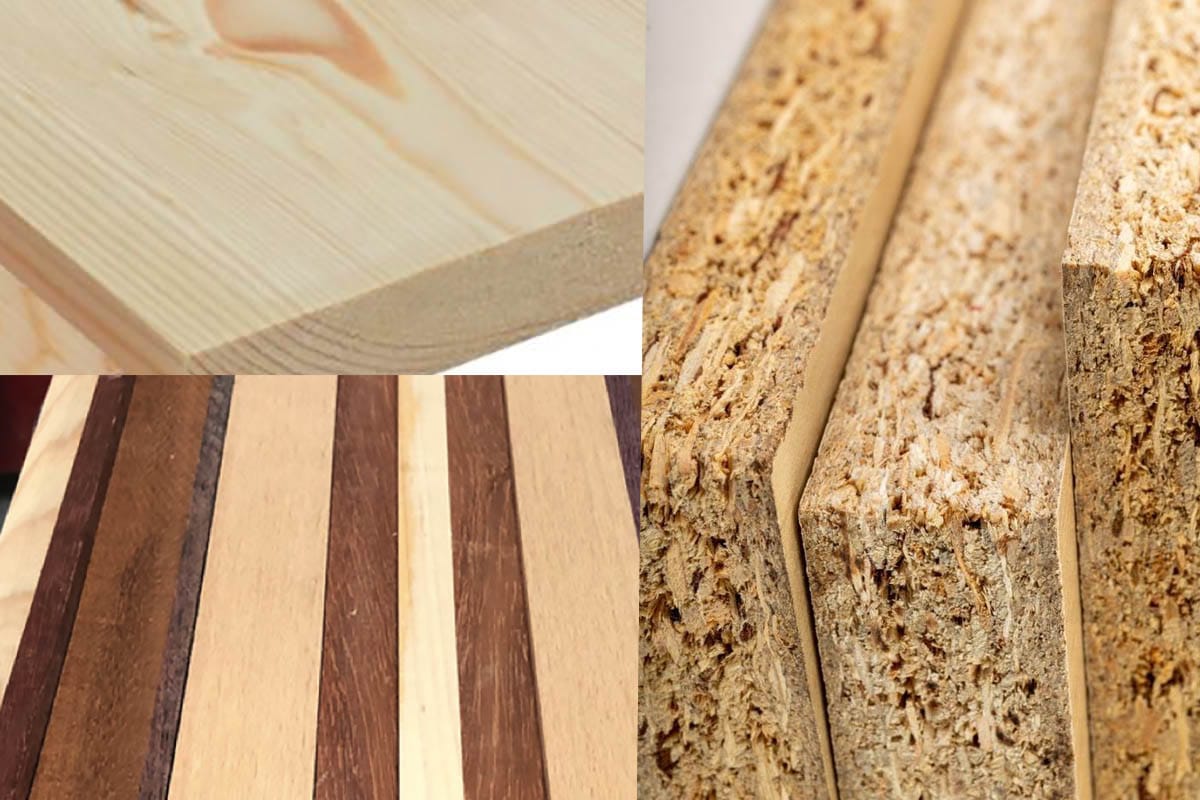
Plywood is a well-known example of manufactured wood. It consists of three slices or plies of thin lumber glued together. Plywood offers versatility and stability, making it suitable for various furniture applications.
Particleboard: A Modern Engineered Wood
Particleboard, also known as fiberboard, is made from small wood chips glued together.
This type of engineered wood is often constructed from residual wood pieces from furniture or construction builders.
Particleboard provides an affordable option for furniture making while utilizing recycled materials.
The Best Type of Wood for Furniture: Hardwood Reigns Supreme
While softwoods and engineered woods have their own merits, hardwood still holds the title for the best wood for furniture making.
Its natural beauty, strength, and longevity cannot be easily matched. However, due to the decreasing availability of hardwoods, alternative options are gaining popularity.
Ultimately, the choice of wood for furniture making depends on various factors, including personal preference, budget, and the desired style and durability.
Softwoods offer affordability and unique characteristics, making them suitable for different furniture styles. Engineered wood provides affordability and workability.
Conclusion
In conclusion, understanding the different types of wood for furniture is crucial when making a purchasing decision.
Whether you opt for the elegance and durability of hardwood, the charm of softwoods, or the affordability of engineered wood, each type has its own distinctive qualities to enhance your furniture pieces.
Choose the wood that best suits your needs and enjoy beautiful and functional furniture for years to come.
***
Additional Information: When choosing wood for furniture, consider the environmental impact and sustainability of the material. Look for certifications such as the Forest Stewardship Council (FSC) to ensure that the wood comes from responsibly managed forests. This ensures that your furniture is not only beautiful but also a conscious choice for the planet.


 Shery
Shery