Best way to Cleaning Tile Floors
Tile floors are a popular choice for many homeowners due to their durability and resistance to wear and tear.
However, without proper care and maintenance, they can start to look dull and unappealing over time.
In this comprehensive guide, we will walk you through the best way to clean tile floors, providing you with practical tips and techniques to keep your floors looking fresh and new for years to come.
Why Regular Cleaning is Important
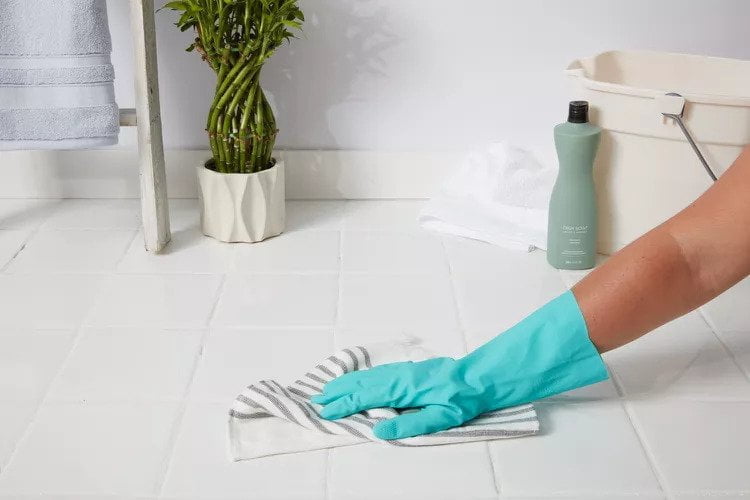
Before we delve into the cleaning process, it’s important to understand why regular cleaning is necessary for tile floors.
Over time, dirt, grime, and debris can accumulate on the surface of the tiles and in the grout lines, making them appear dull and dirty.
Regular cleaning not only enhances the appearance of your floors but also helps to prolong their lifespan and prevent damage.
Tools and Materials You’ll Need
Before you begin cleaning your tile floors, gather the necessary tools and materials to ensure a thorough and efficient cleaning process.
Here’s a list of items you’ll need:
- Vacuum cleaner or broom and dustpan
- Mop (chamois-type or microfiber)
- Bucket
- Mild detergent or all-purpose cleaner
- Warm water
- Grout cleaner (if needed)
- Clean rag or cloth
- Dry mop or cloth for drying the floor
Step 1: Remove Loose Debris
The first step in cleaning tile floors is to remove loose debris such as dirt, dust, and hair. You can do this by either vacuuming the floor or sweeping it with a broom and dustpan.
Be sure to reach all the corners and edges to ensure a thorough clean.
Regularly removing loose debris will prevent it from scratching the surface of the tiles and making them appear dull.
Step 2: Prepare the Cleaning Solution
Once you’ve removed the loose debris, it’s time to prepare the cleaning solution.
Fill a bucket with warm water and add a small amount of mild detergent or all-purpose cleaner. Mix the solution until it’s well combined.
Step 3: Mop the Floor Tiles
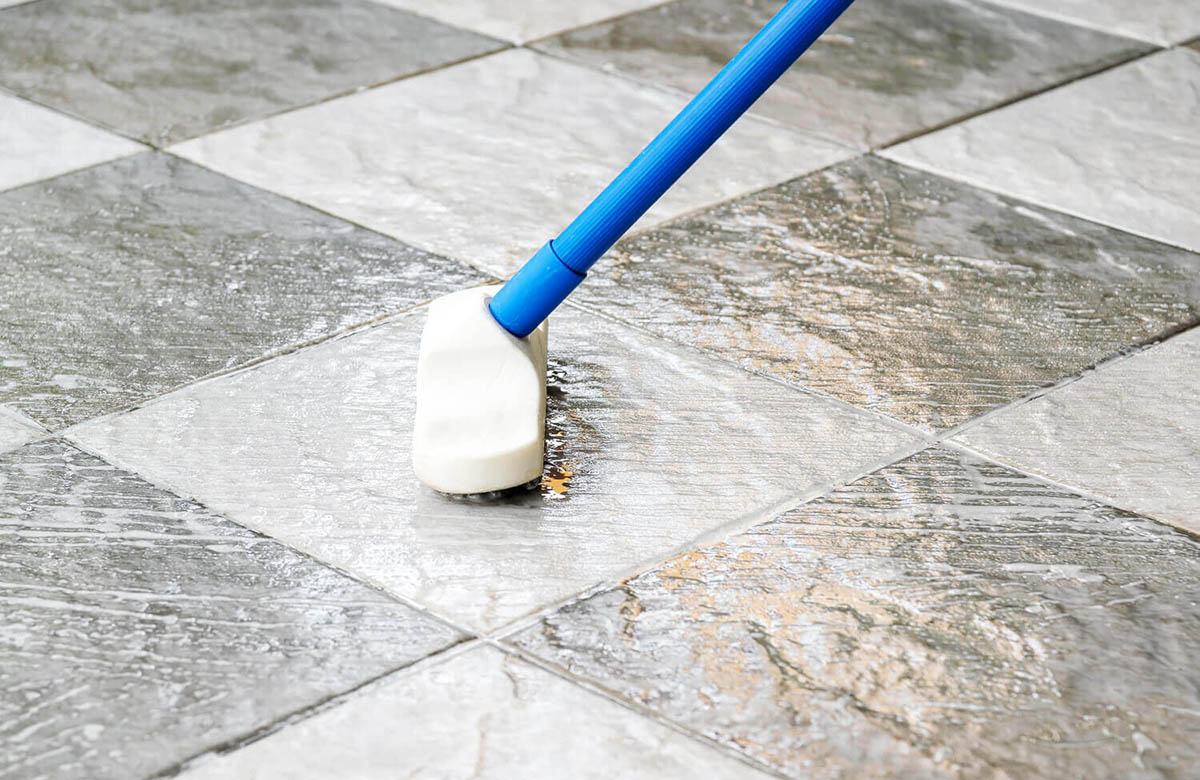
Dip a chamois-type mop or a microfiber mop into the cleaning solution, ensuring that it’s damp but not overly wet.
Start mopping the floor tiles using gentle and even strokes, working your way across the room.
Pay close attention to heavily soiled areas and grout lines, as these may require extra cleaning.
Step 4: Change the Cleaning Solution
As you mop the floor, the cleaning solution may become cloudy and dirty. To ensure effective cleaning, it’s important to change the solution when it gets cloudy.
This will prevent any grime or hazy film from being left behind on the tiles.
Step 5: Clean the Grout Lines
Grout lines can be a magnet for dirt and grime, making them appear discolored and unsightly.
To clean the grout lines, you can use a grout cleaner specifically designed for this purpose. Spray the cleaner onto the grout lines and let it sit for a few minutes.
Then, use a grout brush or an old toothbrush to scrub the grout lines, removing any dirt or stains. Rinse the area with clean water to remove any residue.
Step 6: Dry the Floor
After you’ve finished mopping and cleaning the grout lines, it’s important to dry the floor thoroughly.
Excess moisture left on the tiles can cause water spots and streaks. Use a clean mop or a dry cloth to remove any remaining moisture from the floor.
This will leave your tiles looking clean and shiny.
Cleaning Different Types of Tile Floors
The above steps are suitable for most tile floors, including ceramic and porcelain tiles.
However, different types of tile materials may require additional care and specific cleaning methods.
Let’s explore how to clean different types of tile floors:
1. Stone Tile Floors
Stone tiles, such as granite, marble, and slate, require special care and attention when cleaning.
These natural stone tiles are delicate and can be easily damaged if not cleaned properly.
Here’s how to clean stone tile floors:
- Use a stone tile cleaner specifically formulated for your type of stone tile.
- Follow the basic steps mentioned earlier for mopping and cleaning the grout lines.
- Avoid using acidic cleaners or abrasive tools on stone tiles, as they can cause damage or etching.
- For granite tiles, use a mild detergent with a neutral pH and buff the tiles after cleaning for a shiny finish.
- For marble tiles, avoid acidic cleaners and use a soft-bristle brush to prevent scratches.
- For slate tiles, use a mild detergent and immediately dry the tiles to prevent water spots.
2. Resilient Tile Floors
Resilient tile floors, such as linoleum, cork, and vinyl, also require specific cleaning techniques to maintain their appearance and durability.
Follow these steps to clean resilient tile floors:
- Use a tile cleaner specifically designed for resilient tiles to avoid damaging their surface.
- Follow the general cleaning steps mentioned earlier for mopping and cleaning the grout lines.
- For linoleum tiles, use borax detergent or a cleaning solution specifically formulated for linoleum. Apply a coat of liquid or solid wax every 3 to 6 months.
- For cork tiles, use water mixed with vinegar or mild detergent for sealed tiles. For waxed or unfinished tiles, follow the same cleaning process and apply wax after drying.
- For vinyl tiles, use a mop dipped in a cleaning solution or a mixture of vinegar and water. Avoid using abrasive cleaners or scrubbing tools that may scratch the surface.
3. Deep Cleaning Tile Floors
In addition to regular cleaning, tile floors may require deep cleaning from time to time to remove stubborn stains and grime.
Here’s how to deep clean tile floors:
- Mix one gallon of water with 1/2 cup of white vinegar and mop the floor as usual. Add a mild detergent for extra cleaning power.
- For tough stains, create a paste using equal parts warm water and scouring powder. Apply the paste to the stains, let it sit for a few minutes, and scrub with a soft-bristle brush.
- To remove mildew and mold, mix equal parts ammonia and water. Scrub the affected areas and rinse with water.
- For tough spots, use kerosene on a clean cloth and rub the stain. Rinse with warm water to remove residue.
Cleaning Tile Floors with Household Products
If you prefer using household products for cleaning, there are several items you can find in your pantry that can effectively clean tile floors.
Here are some examples:
- Tile Scrub: Create a cleaning solution by mixing one tablespoon of liquid dish soap, 1/4 cup white vinegar, 1/4 cup baking soda, and two gallons of warm water. Use this solution with a scrub brush or an electric spin scrubber to remove stains.
- Minty Cleaning Liquid: Mix equal parts rubbing alcohol, water, and white vinegar. Add 1/2 teaspoon of dish soap and a few drops of peppermint oil for a fresh scent. Use this mixture in a spray bottle or with a mop to clean the tiles.
- Mildew and Mold Remover: Create a paste using equal parts baking powder and lemon juice. Apply the paste to areas with mold and mildew, let it sit for a few hours, and rinse with clean water.
- Disinfectant: Mix a few drops of mouthwash with one gallon of water to create a disinfecting solution for tiles and vinyl flooring.
How Often Should You Clean Tile Floors?
To keep your tile floors looking their best, it’s important to establish a regular cleaning routine.
Here’s a recommended cleaning schedule:
- Wet Cleaning: Mop the tile floors every two weeks. For bathroom tiles, mop once a week due to increased germ buildup. Pay special attention to cleaning the grout lines every couple of months.
- Dry Cleaning: Vacuum or sweep the tile floors at least once a week to remove loose debris and prevent scratches.
By following this cleaning schedule, you can ensure that your tile floors remain clean, fresh, and in great condition for years to come.
Conclusion
Cleaning tile floors doesn’t have to be a daunting task. With the right tools, materials, and cleaning techniques, you can easily maintain the beauty and longevity of your tile floors.
Regular cleaning, along with periodic deep cleaning and proper care for different types of tile materials, will keep your floors looking their best.
So, start implementing these tips and enjoy the clean and sparkling appearance of your tile floors.


 Shery
Shery