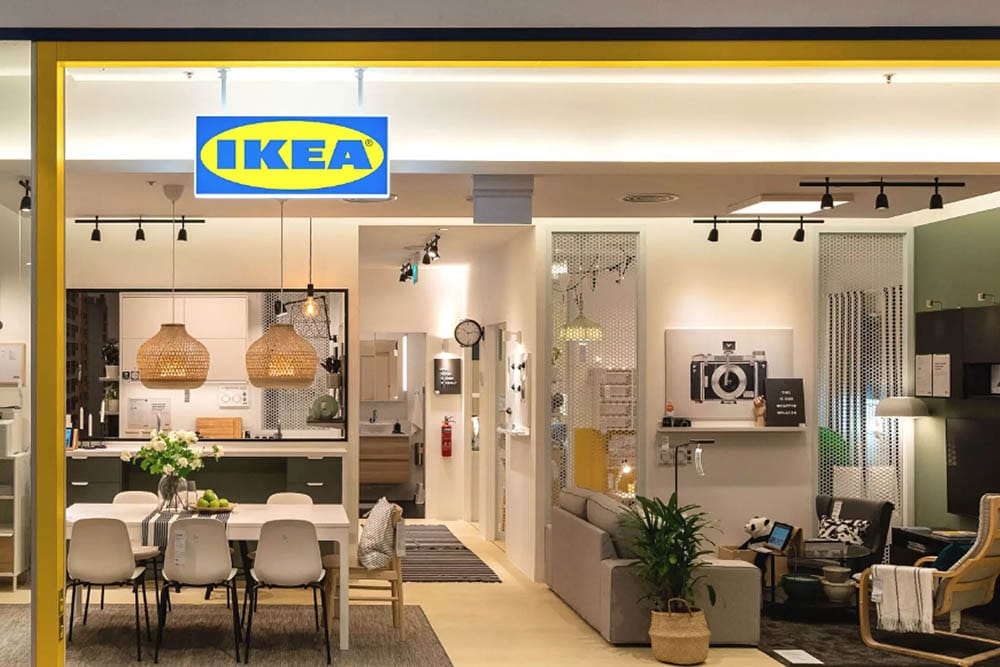
When it comes to ready-to-assemble furniture, home accessories, and kitchen items, IKEA is often the top choice for many consumers.
Known for its accessible design and competitive pricing, IKEA offers products that present compelling value. But how exactly does IKEA’s pricing strategy stack up against its competitors?
In this article, we’ll delve into the question of the value proposition offered by IKEA and explore the reasons behind its reputation as a budget-friendly provider.
We’ll also provide a practical guide on which products tend to offer the best value and which items might require further consideration during your IKEA shopping trip.
A Brief History of IKEA
Before discussing pricing, let’s take a quick look at IKEA’s history. The company, founded by Ingvar Kamprad in 1943 in Sweden, started small.
The name IKEA is an acronym for Ingvar Kamprad, Elmtaryd (the farm where he grew up), and Agunnaryd (the local parish). It has since grown into a multinational conglomerate with hundreds of stores globally .
Understanding IKEA’s Pricing Strategy
So, why is IKEA considered to have such competitive prices? The main key lies in IKEA’s unique approach to design and logistics, centered on the concept of “Flat Packing.”
By selling furniture in unassembled pieces that customers put together themselves, IKEA significantly cuts down on transportation, warehousing, and in-store assembly costs. This cost efficiency allows the company to offer highly competitive retail prices.
However, it’s essential to recognize that the quality and durability of IKEA products can vary. To maximize your shopping experience, it’s vital to know which choices align best with your long-term needs.
A Review of IKEA Product Quality
While IKEA products are known for their affordability, it’s natural to wonder about the quality. Generally, IKEA products offer adequate quality for the price point, often exceeding expectations for ready-to-assemble furniture.
However, the durability can differ depending on the specific item and materials used. On average, IKEA furniture often lasts between 6 to 7 years with proper care. Considering this lifespan is important when making purchasing decisions.
Key Factors Supporting IKEA’s Competitive Pricing
Let’s explore the various factors contributing to IKEA’s budget-friendly pricing strategy:
- Flat Packing: A Highly Cost-Effective Method The flat packing method reduces costs substantially. By having customers assemble the furniture at home, IKEA saves on shipping volume and storage space, passing those savings directly to the consumer through lower prices.
- Sourcing and Sustainability Strategy IKEA is committed to sustainability, which indirectly helps to keep costs low. By managing their own timber supply chain from certified forests, IKEA can control production costs while maintaining responsible practices.
- Efficient Logistics Systems To reduce packaging costs, IKEA utilizes optimized logistics systems, including the use of recyclable pallets. This efficiency minimizes waste and logistics expenses.
- Renewable Energy Investment IKEA has heavily invested in renewable energy sources, such as installing solar panels on many of its stores and owning wind farms. By reducing reliance on conventional electricity, IKEA lowers operational costs, which contributes to lower product prices.
- IKEA Family Loyalty Program The IKEA Family loyalty card provides members with exclusive discounts and offers on select items, further enhancing the cost-effectiveness of shopping there.
- Economical Material Choices To maintain low prices, IKEA often selects more economical materials for the bulk of its product line. This choice represents a deliberate trade-off between immediate affordability and potential long-term durability.
Consumer Guide: Best Value Buys at IKEA
Now that we understand IKEA’s pricing mechanisms, here are some products that generally offer the best value for your money:
- Storage and Closet Organizers: IKEA offers modular storage solutions that allow for personalized organization at affordable rates.
- Curtains and Throw Pillows: The trendy designs and competitive prices make them great for textile decor that you might want to update frequently.
- Basic Kitchen Utensils: Many of IKEA’s essential kitchen tools are known to be functional and durable for their price.
- Glassware and Dishware: IKEA offers stylish and practical options for everyday use without a high price tag.
- Artificial Plants: For a touch of greenery without the maintenance, IKEA’s lifelike artificial plants are a budget-friendly option.
- Bookcases (e.g., Billy): The Billy bookcase series is a globally popular, cost-effective storage solution.
- Art Decor and Frames: The store provides unique, affordable decor pieces and frames to easily personalize your space.
Additional Considerations: Items to Review Carefully
While IKEA offers great value, a few items might require extra consideration or could potentially be better sourced elsewhere:
- Mattresses: While affordable, mattresses are a crucial investment in comfort. You might want to compare options from specialized brands that offer higher quality within a similar price range.
- Knives: For high-quality kitchen knives requiring superior sharpness and edge retention, products from specialty kitchenware companies are often preferred.
- Sheets and Towels: Some consumers note that the texture of certain IKEA sheets and towels can feel rougher. It’s advisable to feel the texture before purchasing if softness is a priority.
- Certain Dressers (Safety First): It is absolutely crucial to always anchor dressers and tall storage units to the wall, especially in homes with small children, to prevent tip-over hazards. Prioritize stability and safety above all else.
- Phone Chargers: For safety and reliability, investing in chargers from more established electronic brands is generally recommended.
Conclusion
In conclusion, IKEA stands out as a strong value-driven choice for home furnishings and accessories. Through its unique pricing strategy driven by the flat packing model and logistical efficiency IKEA successfully offers products at highly competitive price points.
By understanding IKEA’s business model, knowing which products offer the best value, and following smart shopping practices, you can maximize your experience at IKEA and create a home that is stylish, functional, and financially smart.

 Shery
Shery